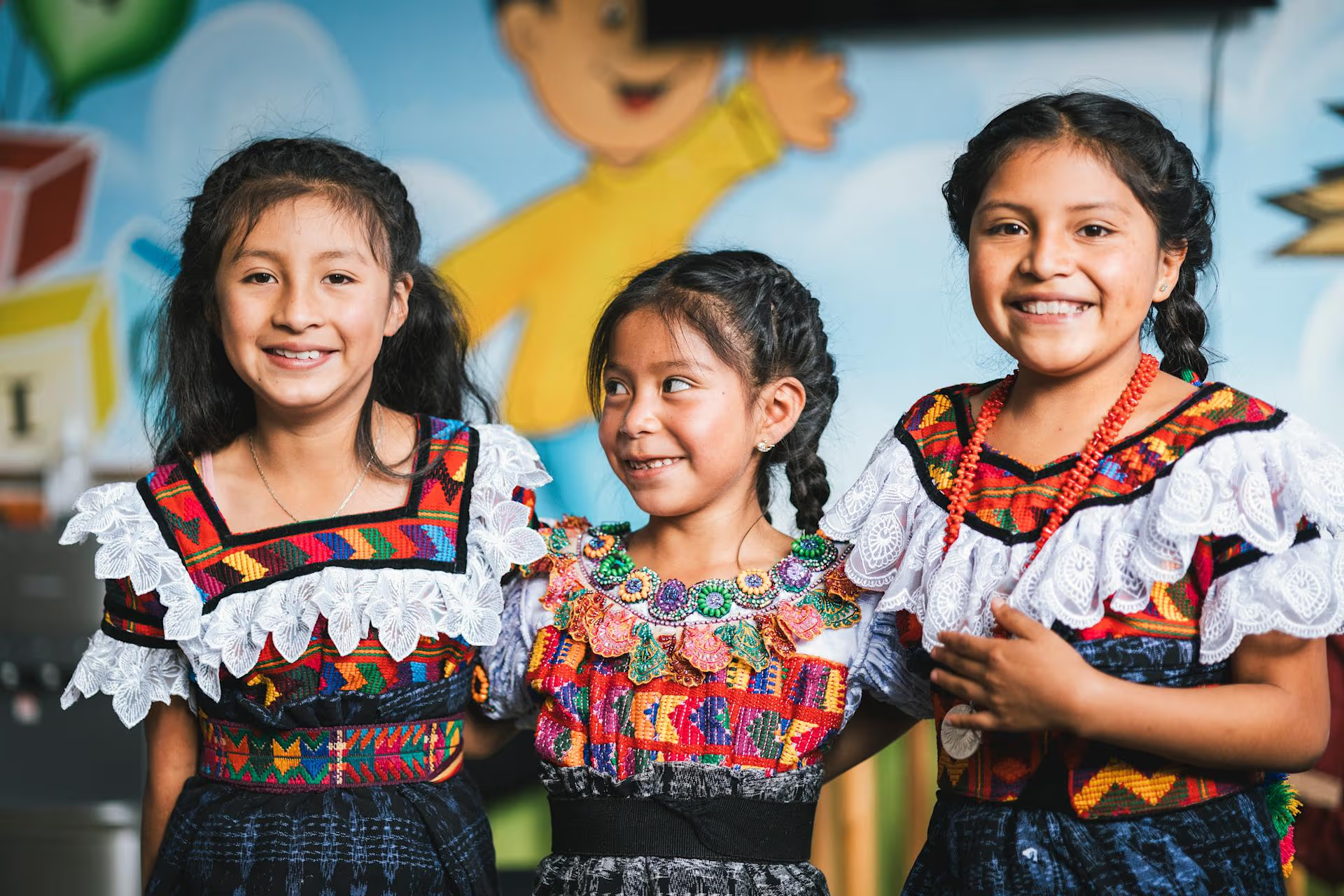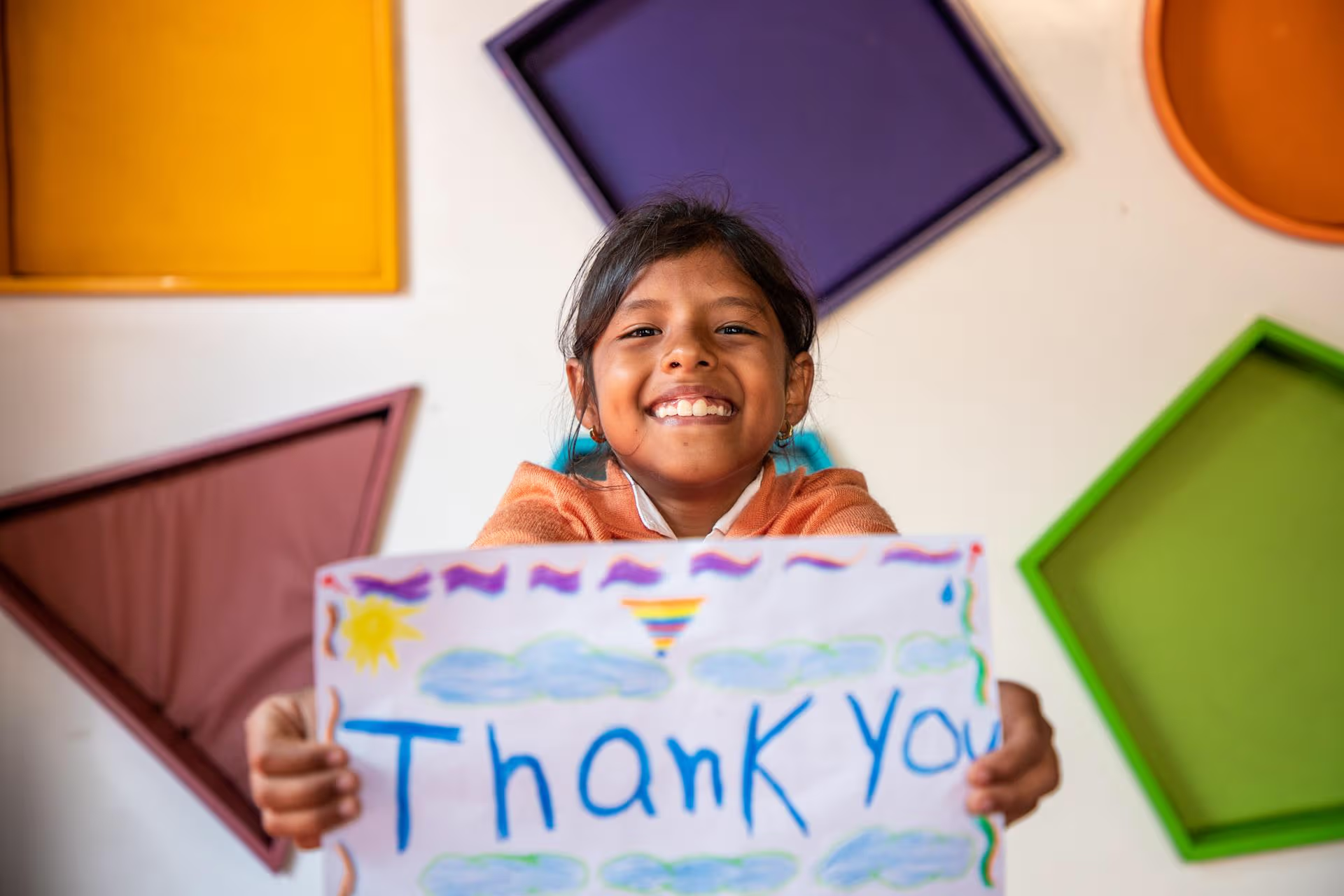
True philanthropy isn’t just about helping one person in isolation; it’s about breaking generational cycles. When you support one student’s education and health, they grow up to uplift their family, contribute to their local economy, and lead their community.
What is the Ripple Effect?
The Ripple Effect of Philanthropy is the chain reaction where a single act of charitable giving or kindness sparks downstream social, economic, and behavioral changes that extend far beyond the initial donation. The Joom Foundation aspires to support every child individually through financial sponsorship, but we also hope to bring the Ripple Effect into play on the broader level.
Through World Vision and Compassion International, child sponsorship immediately impacts the child or the child’s community through efforts of preventing malnutrition, providing clean water, education, disaster relief, and the protection from abuse. And while these efforts absolutely mean that the child sponsored or their community gains the means to rise above multidimensional poverty, what happens after they’ve graduated from the program and no longer need the financial assistance?
Impact on Multiple Levels
On a micro-level concerning family, the effect is obvious: children or their communities are no longer experiencing multidimensional poverty, they have stable access to education and medical care, and most importantly they have a closer relationship to God.
When looking at a larger level, specifically, economic contributions, research shows that aiding poor families/communities sparks a massive local economic multiplier. When the financial burden of basic human necessities are covered, any additional funds can be spent locally on wants.
In doing so, especially through Compassion International that focuses on uplifting entire communities, there is an influx of cash that circulates through nearby markets which then generates higher revenues for local businesses. This impact that makes its way across the neighborhood can be seen and felt by those who did not receive any aid directly.
Unlocking Long-Term Independence
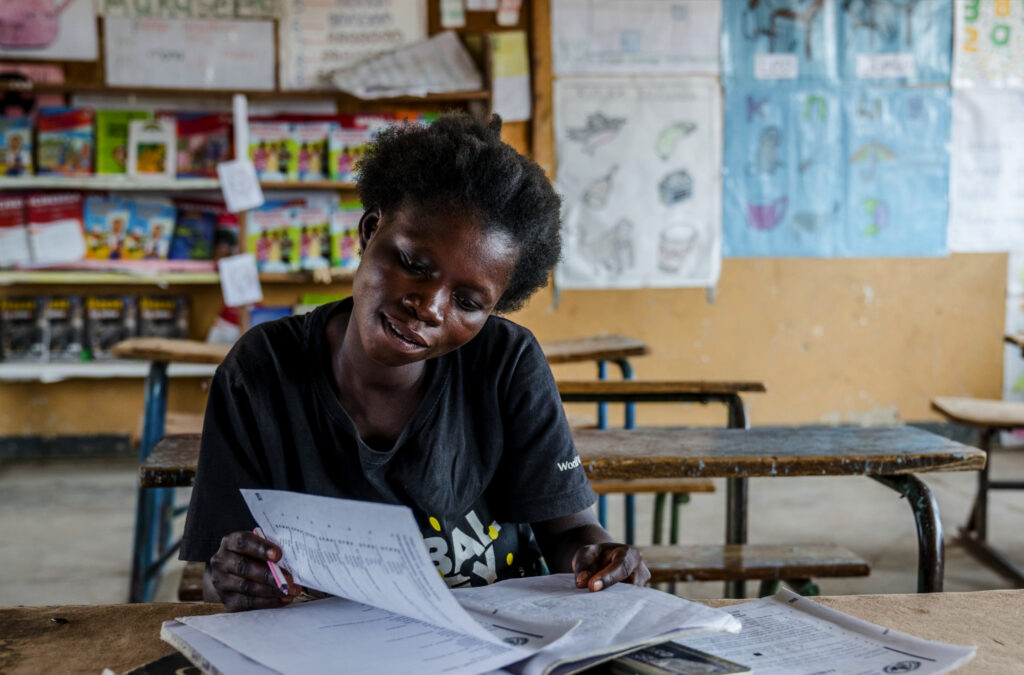
Most importantly it provides the agency for those who have received aid to break the cycle of poverty, either in their own lives or in their communities, mostly because of the educational opportunities that they otherwise would not have had. Research at the Urban Institute indicates that children who receive financial support complete more years of schooling and earn significantly more as adults.
- Overall impact: Sponsored children, on average, complete around 1.03 to 1.45 more years of a basic formal education
- Specific regions show gains of up to 2.4 to 2.9 years of education
- The probability of finishing high school increases by 12 to 18 percentage points
- Considering a 27% to 40% jump over a standard 44.5% baseline
- Children who were sponsored are 50-80% more likely to graduate from a university or vocational institute.
Higher adult earning potentials indicate the ability to continue to support their families and communities above the multidimensional poverty line with their own philanthropic cycle of return. Individuals who are successfully lifted out of critical poverty frequently reinvest in their own communities later in life.
The Joom Foundation believes that we are investing into the human potential and God-given dignity of children across the world who might not have had the opportunity to exercise their agency otherwise, encouraging them to be the next generation of leaders to shape their own futures, and as the evidence demonstrates, make ripple effects into the lives of those around them as well.